
Automotive ERP software used to mean a seven-figure SAP rollout, a Tier-1 budget, and a quality manual nobody opens. However, in 2026 a focused automotive ERP software build can land in your Tier-2 plant for a fraction of that, provided it covers only the parts of IATF 16949, EDI, and traceability your team really uses. This article makes the case for a pragmatic automotive ERP software route that delivers shop-floor value in 10–14 weeks, instead of paying a licensed suite for screens nobody opens.
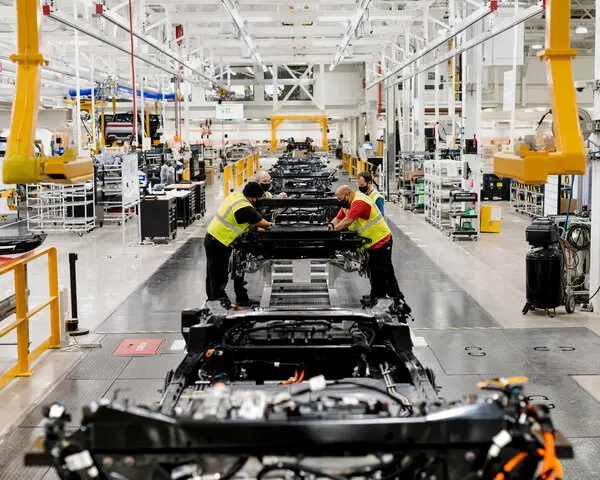
What automotive ERP software really covers in 2026
In practice, automotive ERP software ties parts master data, EDI messages from OEMs, PPAP packs, VIN traceability, and finance into one stack. However, the term gets stretched by vendors who repackage a generic discrete-manufacturing module as an “automotive edition”.
The shop-floor view
Operators want three taps to start a job, a clear reason code for downtime, and a screen they can read with gloves on. Therefore good adoption starts on the line, not on a roadmap slide.
The compliance view
Quality and supplier-development teams care about IATF 16949 audit trails, FMEA links, and 8D reports. As a result, your stack needs traceability per part, not just per order.
Why licensed automotive ERP software stalls in Tier-2 plants
Big-name suites are designed for global Tier-1 suppliers with multiple plants. Meanwhile, every meaningful Tier-2 customisation gets quoted at USD 15–25k by the vendor’s certified partner.
- EDI mapping for a new OEM customer is a 60-hour engagement, every single time.
- Standard PPAP workflows assume a global QA team that smaller plants do not have.
- Mobile apps exist, yet take nine taps to confirm a kanban move, so the line ignores them.
- Renewals quietly grow 8–15 percent each year, even after volumes drop.
The 80/20 trap
Most Tier-2 plants use 20 percent of the licensed suite. Meanwhile they pay for 100 percent of it and customise the rest at hourly rates.
Top licensed automotive ERP software vendors today
For reference, here are the five suites that automotive buyers shortlist most often, with public review-aggregator ratings.
| Vendor | Fit | User rating |
|---|---|---|
| SAP S/4HANA Automotive | Large Tier-1 / OEM | 4.3 / 5 |
| Plex Smart Manufacturing | Tier-2 / Tier-3 cloud | 4.4 / 5 |
| QAD Adaptive ERP | MMOG/LE-heavy plants | 4.2 / 5 |
| Epicor Kinetic | Mid-market discrete | 4.1 / 5 |
| Infor CloudSuite Automotive | Component manufacturers | 4.2 / 5 |
Cost comparison: automotive ERP software custom vs licensed
The numbers below assume a single Tier-2 plant, three lines, 40 named users, across three years. By contrast, vendor quotes for two-plant deployments routinely double these figures.
| Cost item | Licensed suite (SAP / Plex / QAD) | Custom build with me |
|---|---|---|
| Year-1 licenses (40 named users, EDI + quality + finance) | USD 60,000 – 110,000 | USD 0 |
| Implementation, EDI mapping & partner customisation | USD 50,000 – 120,000 | Included in build |
| One-off build (only the screens and integrations you need) | — | USD 12,000 – 18,000 |
| Year-2 and Year-3 licenses + mandatory support | USD 120,000 – 220,000 | USD 0 (only optional support) |
| 3-year total | USD 230,000 – 450,000 | USD 12,000 – 22,000 |
What custom automotive ERP software gets you
A focused build covers the routings and audit flows your plant truly runs. In addition, the code and data stay yours, hosted where you choose.
- No per-user pricing. Onboard a seasonal worker without buying a new license.
- EDI maps shipped as part of the build, not billed at USD 200/hour per OEM change.
- An operator UI a tired second-shift worker can actually use — three taps, big fonts.
- IATF 16949 evidence trails built around how your team really runs audits.
How to start an automotive ERP software engagement
- Pick the single line where data wrangling and EDI errors cost the most hours.
- Define the five screens an operator and a shift lead would open every day.
- Get a fixed-price proposal in the USD 12–18k range, delivered in 10–14 weeks, including EDI on that line.
If you want a second opinion, the home page at rsmobile.net lists past engagements and a contact form. In short, ship before the next IATF audit, not after it.
Summary
Licensed suites are not bad, they are simply over-priced for what most Tier-2 plants ever use. Therefore a custom automotive ERP software layer, owned by your team and shaped to your routings, beats them on cost, time, and adoption every single time.
Further reading: the IATF 16949 standard on Wikipedia.
Related guides:

LATEST POSTS